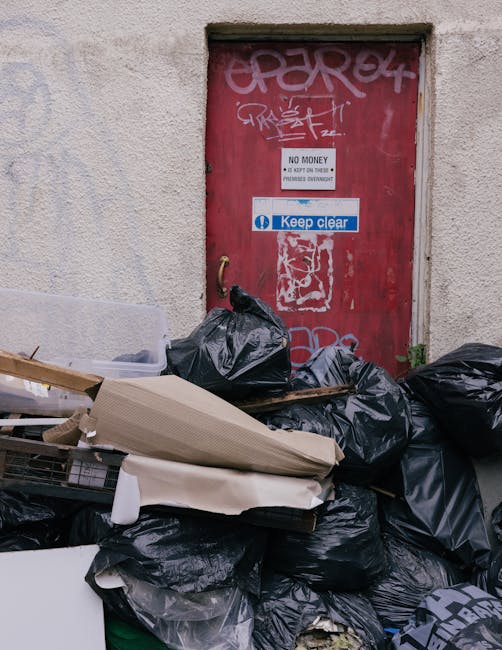
What to know about Tower Hamlets Council cleaning rules
If you live, work, or run a property in East London, what to know about Tower Hamlets Council cleaning rules quickly becomes a practical question, not just a legal one. It affects how tidy shared spaces stay, how waste is handled, how often communal areas need attention, and what happens when a building starts to look a bit neglected. In Tower Hamlets, where flats, estates, offices, and mixed-use buildings sit close together, small cleaning lapses can become big headaches rather quickly.
This guide breaks the topic down in plain English. You'll see how council expectations usually work, why they matter, who they apply to, and how to stay on the right side of things without overcomplicating it. We'll also look at common mistakes, useful checklists, and the kinds of cleaning arrangements that tend to work best in real life. To be fair, most people do not want to read policy documents over breakfast. They just want to know what's expected and how to avoid trouble.
One quick note: council rules and local enforcement can change, and responsibilities may differ depending on whether you are a tenant, leaseholder, landlord, managing agent, business owner, or resident in a shared block. So think of this as a practical guide rather than legal advice.
In short: the cleaner and better-managed the space, the fewer disputes, complaints, and avoidable costs you usually face. Simple enough. Not always easy, but simple enough.
Table of Contents
- Why Tower Hamlets Council cleaning rules matter
- How the cleaning rules and expectations usually work
- Key benefits and practical advantages
- Who this is for and when it makes sense
- Step-by-step guidance
- Expert tips for better results
- Common mistakes to avoid
- Tools, resources and recommendations
- Law, compliance, standards, or best practice
- Options, methods, or comparison table
- Case study or real-world example
- Practical checklist
- Conclusion
- Frequently asked questions
Why Tower Hamlets Council cleaning rules Matter
Council-related cleaning rules are really about two things: public health and shared responsibility. In a borough like Tower Hamlets, where many properties are close together and communal use is common, cleaning is not just about appearances. It affects odours, pests, slip risks, fire safety access, neighbour relationships, and the general usability of a building.
If a bin store is overflowing, a corridor is dusty, or a communal stairwell has litter building up, people notice. So do visitors, letting agents, residents, and sometimes enforcement teams. That sort of thing can trigger complaints faster than people expect. And once a building gets a reputation for being poorly kept, getting everyone back on the same page can feel like herding cats. A little dramatic? Maybe. But not by much.
There is also a practical money angle. Regular cleaning is usually cheaper than waiting for a problem to grow into a deep clean, pest treatment, repair issue, or resident dispute. Anyone who has had to deal with a sticky communal floor after weeks of foot traffic knows the difference. The smell alone can tell you it has gone too far.
For landlords and managing agents, staying ahead of cleaning expectations is part of maintaining a property responsibly. For residents, it helps protect the place where you live. For businesses, it supports a professional image and a safer workplace. Everyone benefits when the standard is clear and consistent.
Expert summary: In Tower Hamlets, cleaning rules matter because they connect everyday hygiene with wider responsibilities around safety, liveability, and neighbourly standards. The best approach is not perfection; it is consistency.
How Tower Hamlets Council cleaning rules Works
There usually is not one single "cleaning rulebook" for every situation. Instead, expectations are shaped by a mix of local authority standards, tenancy or lease terms, building management arrangements, waste responsibilities, and general health and safety practice. That is why people sometimes search for council rules and come away thinking the answer is vague. In a way, it is. But only because the duty changes depending on the setting.
For example, a council-managed estate may have scheduled communal cleaning, bin management routines, and reporting channels for issues. A privately managed block may rely on a managing agent, freeholder, or residents' association. A business premises might need to follow workplace cleanliness and waste disposal expectations. And a rented flat may have a different split between the tenant's responsibilities inside the property and the landlord or managing agent's duties in shared spaces.
What tends to matter most is whether the area is:
- private or shared
- residential or commercial
- inside the tenancy boundary or part of the common parts
- managed by the occupier, landlord, council, or a cleaning contractor
- used daily by many people, which raises the cleaning standard expected in practice
In other words, the "rule" is often less about one single instruction and more about a sensible standard of cleanliness, waste control, and upkeep. If a space creates hygiene problems, attracts complaints, or becomes unsafe, that is where attention usually sharpens.
It also helps to remember that cleaning is not only about visible dirt. A place can look tidy and still be poorly managed if rubbish is left to accumulate, bins are misused, or damp and grime are ignored. That is the kind of detail that can quietly become a bigger issue later.
Key Benefits and Practical Advantages
Following a clear cleaning routine brings benefits that are easy to notice and even easier to underestimate until they are missing. The obvious one is presentation. A well-kept entrance, staircase, or office lobby simply feels better to use. But there is more to it than that.
- Fewer complaints: Cleaner shared spaces usually mean fewer tensions between residents, tenants, or staff.
- Better hygiene: Regular cleaning helps reduce grime, unpleasant odours, and the conditions that pests love.
- Lower long-term costs: Staying on top of dirt tends to be cheaper than restoring a neglected area.
- Safer access: Spills, clutter, and debris can create slip or obstruction risks.
- Improved property reputation: This matters for lettings, resale, office professionalism, and tenant retention.
- Easier management: Clear routines are easier to monitor than ad hoc "we'll sort it later" approaches.
There is a quieter advantage too. When people know what standard is expected, they tend to behave a bit better. Bin rooms are used more carefully. Corridors stay clearer. Residents are less likely to assume "someone else will deal with it." That alone can make a huge difference.
For businesses, there is also the customer-facing element. A spotless office reception or retail back area tells people you pay attention. It sounds small, but in real life it is often the small details that set the tone.
Who This Is For and When It Makes Sense
This topic matters to a fairly wide group, and that is part of why it can feel confusing at first. If you are not sure where you fit, you probably fit somewhere in the middle. Let's break it down.
Residents in flats or estates
If you live in a block with communal hallways, stairwells, lifts, bin stores, or external shared areas, you will usually be affected by some form of cleaning arrangement. You may need to know who cleans what, how often, and what residents are expected to do themselves. Even simple things like moving bags into the correct bin area can matter more than people think.
Landlords and letting agents
For landlords, a clean property is part of maintenance, not a nice extra. This is especially true between tenancies, before inspections, and after works. If common parts are involved, it also helps reduce disputes and avoid the "I thought you were handling that" problem that can eat time fast.
Managing agents and freeholders
If you are responsible for a block, you need clarity around schedules, contractor standards, access, waste handling, and escalation when something slips. Cleaning failures in shared spaces are often noticed immediately. Sometimes by one very observant resident who spots everything. You know the type.
Business owners and office managers
Offices, studios, clinics, hospitality sites, and shops all need practical cleaning arrangements. In these settings, the question is not just compliance; it is staff wellbeing, customer impression, and operational efficiency. The less time your team wastes worrying about mess, the better.
New tenants or people moving in or out
Move-ins and move-outs are the moments when cleaning expectations become most visible. A new tenant may expect a fresh, hygienic start. A departing tenant may need to meet a condition standard. That is where a more thorough service, such as end of tenancy cleaning or move-in cleaning, can make practical sense.
Step-by-Step Guidance
If you want to stay on top of Tower Hamlets cleaning expectations without overthinking it, use a simple sequence. It is the sort of process that works because it is repeatable, not because it is clever.
- Identify the space. Is it private, shared, residential, commercial, or mixed-use?
- Check responsibility. Look at your tenancy agreement, lease, management pack, or service information to see who is meant to clean what.
- Inspect the current condition. Walk through the area honestly. Corridors, bin areas, entrances, kitchens, and touchpoints often tell the story quickly.
- Set the cleaning standard. Decide whether the space needs routine maintenance, a one-off clean, or a deeper reset.
- Match the method to the problem. A light tidy is not the same as grease removal, sanitising, or post-building-work cleaning.
- Create a schedule. Weekly, fortnightly, or daily routines depend on foot traffic and building use.
- Assign responsibility clearly. One person or one contractor should know exactly what they are handling.
- Review and adjust. If complaints keep cropping up, the standard probably needs tightening.
Here is a simple practical example. A block with heavy footfall and a shared bin area may need a short daily or several-times-a-week clean, plus litter checks and spill response. A quieter building might manage with a less frequent schedule. The trick is matching the service level to actual use, not what sounds neat on paper.
And if you are dealing with a one-off issue after decorating, repairs, or tenant turnover, a broader service such as after builders cleaning or deep cleaning may be more appropriate than a standard tidy-up.
Expert Tips for Better Results
There are a few habits that make cleaning arrangements run much more smoothly in Tower Hamlets and similar boroughs. None of them are flashy. That is kind of the point.
- Be specific about standards. "Clean the communal area" is too vague. Say what gets cleaned, how often, and to what finish.
- Focus on high-touch points. Door handles, switches, bannisters, lifts, and shared counters collect grime quickly.
- Choose the right service type. A regular service suits ongoing upkeep; a deep clean suits neglected areas or seasonal resets.
- Do not ignore waste zones. Bin stores and recycling points often cause the biggest problems when left unmanaged.
- Use photos for handover or dispute prevention. A simple before-and-after record can save awkward conversations later.
- Review after peak use. After holidays, refurbishments, or tenancy changes, standards can dip fast.
If you are arranging cleaning for a property with mixed use, keep in mind that office traffic and residential expectations are different. A business lobby may need more frequent attention than a quiet residential hallway, while a shared building entrance needs a compromise that protects both groups.
One practical tip from experience: build in a little margin. If a schedule is just barely adequate, life will test it. A missing cleaner, a rainy week, or a bin collection delay can turn "fine" into "messy" very quickly. And London weather, let's face it, does not exactly help.
For ongoing upkeep, services like regular cleaning, communal area cleaning, or office cleaning can be a better fit than one-off patchwork fixes.
Common Mistakes to Avoid
The biggest cleaning mistakes are usually not dramatic. They are the quiet ones that build up over time.
- Assuming everyone has the same idea of "clean." People do not. One person's tidy is another person's untouched mess.
- Leaving responsibility unclear. If no one knows who is in charge, no one is, really.
- Only cleaning when complaints arrive. By then, the issue is already visible and usually more expensive to fix.
- Using the wrong level of service. A surface clean will not solve grease, embedded dirt, or post-refurbishment dust.
- Forgetting external and semi-external areas. Entrances, steps, and bin enclosures can shape the first impression of a property.
- Ignoring seasonal pressure. Wet weather, leaf fall, and holiday rubbish spikes can all change what the space needs.
There is also a common mindset mistake: treating cleaning as cosmetic rather than operational. In shared environments, cleaning affects how the whole place functions. Mess blocks access, encourages pests, and makes people less careful. It becomes a behavioural issue as much as a hygiene issue.
Truth be told, many ongoing disputes in blocks start with something small: a spill left too long, a bin lid not closed, a hallway not vacuumed when it should have been. Tiny on the day. Not tiny a week later.
Tools, Resources and Recommendations
You do not need a huge toolkit to stay on top of cleaning rules and routines. You need the right basics and a sensible system.
- Cleaning logs: Useful for tracking dates, tasks completed, and anything unusual spotted during the visit.
- Issue photo records: Handy when you need to show condition before or after cleaning.
- Simple schedules: A shared calendar or checklist keeps expectations visible.
- Waste segregation bins: Especially useful where recycling and general waste are separate.
- Risk-aware cleaning supplies: Products should suit the surface and the environment, especially in shared or commercial areas.
- Professional contractor documents: Insurance, safety notes, and service terms should be easy to review.
If you are comparing service providers, it is worth looking beyond price alone. Ask how they handle access, out-of-hours work, missed visits, complaints, and escalation. If a company also publishes practical information on topics like health and safety policy, insurance and safety, or recycling and sustainability, that can be a useful sign that they think beyond the mop bucket.
For budget planning, a transparent pricing structure matters. If you need a clearer sense of service options, pricing and quotes is the sort of page that helps you compare like with like instead of guessing. And if something ever goes wrong, a clear complaints procedure can be reassuring because, frankly, problems are easier to fix when there is a process.
Law, Compliance, Standards, or Best Practice
Cleaning rules in Tower Hamlets should be understood alongside broader UK expectations around safety, hygiene, waste handling, and property management. The exact legal duties will depend on the type of property and who controls it, so it is wise not to overstate any one rule as universal. The safer approach is to think in terms of responsibilities and best practice.
For example, workplaces generally need to maintain a safe and reasonably clean environment. Shared residential buildings usually need clear arrangements for communal upkeep. Waste areas should be managed in a way that avoids nuisance, pests, and obstruction. If cleaning involves chemicals, equipment, or wet floors, then safety procedures matter too. Common sense? Yes. But common sense written down beats "we all knew what we meant" almost every time.
Best practice usually includes:
- clear responsibility for each area
- scheduled cleaning rather than ad hoc intervention
- safe storage and use of cleaning materials
- records of completed work where appropriate
- reasonable response times for spills, waste issues, and hygiene concerns
- attention to accessibility, so cleaning does not create hazards for residents or visitors
If you are managing a property, insurance and safety planning also matter. A cleaner walking into a slippery entrance without warning signage is a problem. A poorly handled chemical product is a problem. A blocked escape route is a very different kind of problem, and not one you want to discover late on a rainy evening.
At a practical level, compliance is about proving that you took cleanliness seriously and acted reasonably. That is the standard most people can live with, and it is usually the standard that stands up best when questions are asked.
Options, Methods, or Comparison Table
Different cleaning approaches suit different needs. The wrong choice often wastes money because it does not match the actual condition of the property. Below is a simple comparison to help you choose.
| Method | Best for | Typical strengths | Watch-outs |
|---|---|---|---|
| Regular cleaning | Ongoing upkeep in homes, offices, and shared areas | Keeps standards steady, reduces build-up, predictable scheduling | May not be enough for heavy dirt or neglected spaces |
| One-off cleaning | After events, sudden mess, seasonal reset | Flexible, useful when you need a quick improvement | Does not replace a routine plan if the space gets dirty fast |
| Deep cleaning | Built-up grime, neglected rooms, hygiene-focused refresh | More thorough, reaches areas routine cleaning may miss | Takes longer and usually costs more than a basic visit |
| Communal area cleaning | Blocks, estates, shared corridors, lobbies | Designed for common parts, helps manage resident expectations | Needs clear responsibility and access arrangements |
| Specialist cleaning | Post-build, upholstery, carpets, ovens, windows | Targets specific problems with the right tools and method | Only useful when the issue matches the specialist service |
If you are unsure where to start, ask a simple question: is this an ongoing cleanliness issue or a one-time reset? That one decision narrows things down fast. For example, a scuffed corridor with dust in corners is likely a routine cleaning matter. A flat left after renovation? That is something more specialised.
Depending on the space, you might also consider domestic cleaning, commercial cleaning, one-off cleaning, or window cleaning to keep the property aligned with the standard you want.
Case Study or Real-World Example
Here is a realistic example based on the sort of situation many people face in Tower Hamlets. A small apartment block near a busy road starts getting regular complaints about the entrance and bin area. The hallway is not filthy, but it is consistently untidy: dust near the skirting boards, occasional takeaway bags left by the door, and a bin store that smells worse on warm days. Nothing dramatic. Just enough to annoy everyone.
The managing agent reviews the setup and discovers three issues. First, the cleaning schedule is too light for the amount of foot traffic. Second, nobody has clearly owned the bin-area checks. Third, residents are unsure where waste should go on collection days, so bags are being left in the wrong place. Classic mix-up. Nobody intended the mess, but it happened anyway.
The fix is straightforward:
- increase communal area cleaning frequency
- add bin-store checks on collection days
- send residents a simple written reminder about waste placement
- introduce a log so missed visits and recurring issues are recorded
Within a few weeks, the hallway looks better, the smell drops, and complaints slow down. Not because the block became perfect. Because the routine became realistic. That is the heart of it. Good cleaning arrangements are usually boring in the best possible way.
The same pattern can apply to an office, a rented flat, or a mixed-use building. If the issue is ongoing, do not keep applying the wrong solution. Adjust the routine, match the service to the problem, and keep it simple enough to maintain.
Practical Checklist
Use this checklist if you want a quick self-check before arranging or reviewing cleaning in Tower Hamlets.
- Have I identified whether the area is private or shared?
- Do I know who is responsible for cleaning and waste control?
- Is the current cleaning frequency actually enough for the level of use?
- Are high-touch points and bin areas included?
- Do I need a routine clean, a deep clean, or a specialist service?
- Are safety measures in place for wet floors, chemicals, and access?
- Is there a record of visits or completed work?
- Are residents, tenants, or staff clear about what is expected of them?
- Have recent complaints or problem areas been reviewed properly?
- Does the service fit the property type and budget without cutting corners?
If you can tick most of those boxes, you are in decent shape. If not, no drama - it just means the system needs tightening up a bit.
For many households and smaller sites, comparing house cleaning, move-out cleaning, or even carpet cleaning can help you choose a more sensible approach than just guessing.
Conclusion
What to know about Tower Hamlets Council cleaning rules comes down to a practical truth: cleaning is part of good property management, not an afterthought. Whether you are dealing with a shared stairwell, a business entrance, a bin area, or a rental home, the best results usually come from clear responsibility, the right cleaning frequency, and a realistic standard that matches the space.
You do not need to overcomplicate it. Start with who owns the responsibility, what the space is used for, and how quickly dirt builds up. Then choose a routine or service that fits. If something keeps going wrong, it is usually a sign the system needs adjusting rather than a sign that everyone has suddenly forgotten how to use a broom.
If you want a cleaner, safer, more manageable property in Tower Hamlets, small consistent actions matter more than heroic last-minute fixes. That is the part people remember. And usually, that is the part that saves them trouble later.
Get a free quote today and see how much you can save.
Frequently Asked Questions
Are Tower Hamlets Council cleaning rules the same for every property?
No. The expectations can vary depending on whether the property is residential, commercial, shared, privately managed, or council-managed. The responsibility for cleaning often sits with different people in different settings, so it is worth checking your tenancy, lease, or management documents first.
Who is usually responsible for communal area cleaning in a block of flats?
That depends on the building structure and management setup. In some blocks, the landlord or managing agent handles it. In others, residents contribute through service charges or a communal arrangement. Shared spaces often need clearer planning than private ones, because everyone assumes someone else is dealing with it.
What cleaning issues are most likely to cause complaints?
Bin stores, dirty corridors, unpleasant smells, litter in entrance areas, stains on floors, and neglected communal touchpoints are the usual culprits. These are the things people notice first when they come home, leave for work, or visit the building.
Do I need a deep clean or regular cleaning?
If the area just needs ongoing upkeep, regular cleaning is usually the better fit. If the space has built-up grime, has been neglected, or needs a reset after works or a tenancy change, a deep clean makes more sense. Sometimes you need both, just at different times.
Can poor cleaning become a safety issue?
Yes. Spills, clutter, blocked access routes, and poor waste control can create slip risks, pest problems, and general hazards. In shared buildings, that can become a bigger issue quickly because more people are affected at once.
How often should communal areas be cleaned?
There is no single frequency that suits every building. It depends on footfall, building type, and how quickly dirt builds up. A busy block with lots of residents may need far more attention than a quiet one. The key is matching the schedule to actual use rather than guessing.
What should I do if the cleaning standard is not good enough?
Start by checking who is responsible and whether there is a written service agreement or schedule. Take photos if needed, report the issue clearly, and ask for the standard to be reviewed. If the problem keeps happening, a more structured cleaning plan may be needed.
Is end of tenancy cleaning relevant to council-style cleaning expectations?
It can be. While end of tenancy cleaning is not the same as communal or council-managed cleaning, it helps meet expected cleanliness standards when a tenant moves out or a property is being prepared for the next occupant. It is especially useful when a flat needs a proper reset.
Are recycling and waste practices part of cleaning rules?
Very much so. Good cleaning and good waste handling go together. If bins are misused or recycling is not managed properly, the property can still look and feel unclean even if the floors have been mopped. Waste is often where the real trouble starts.
How do I choose a cleaning service for a Tower Hamlets property?
Look at the type of property, the level of use, and whether you need routine, one-off, specialist, or communal support. Then compare service scope, reliability, safety approach, and pricing clarity. A good fit is usually the one that matches the building, not the one that sounds fancy in a brochure.
What records should I keep for cleaning in a managed building?
Keep a simple log of visits, issues spotted, actions taken, and any complaints or maintenance follow-up. Photos can help too. Records do not need to be complicated, but they should be enough to show what happened and when.
Can professional cleaners help with both homes and commercial spaces?
Yes, if they offer the right service type. Domestic, commercial, and communal cleaning all have slightly different needs. For some buildings, one team can cover several areas; for others, it is better to use separate arrangements depending on the space.