Communal Area Cleaning: Keeping Shared Spaces Safe, Fresh, and Welcoming
Why Communal Area Cleaning Matters in Modern Buildings
Communal area cleaning plays a vital role in maintaining the health, appearance, and comfort of shared environments. Whether it is a residential block, apartment complex, office building, school, or mixed-use property, communal spaces are touched by many people every day. That means dirt, dust, spills, fingerprints, and bacteria build up quickly. Without regular communal area cleaning, these spaces can look neglected and become unpleasant or even unsafe.
Shared areas are often the first thing visitors, tenants, and staff notice. A clean lobby, polished hallway, tidy staircase, and well-maintained lift area immediately create a positive impression. In contrast, dirty surfaces, overflowing bins, and dusty corners can suggest poor management and reduce trust. This is why communal area cleaning services are not just about appearance—they are about protecting property value and supporting a healthier environment.
Good cleaning routines also reduce the spread of germs. High-touch points such as handrails, door handles, elevator buttons, mailboxes, and light switches need frequent attention. In busy shared buildings, communal area cleaning helps lower the risk of cross-contamination, especially during cold and flu seasons or in periods when hygiene is a top concern. Regular maintenance keeps these spaces safer for everyone who uses them.
What Communal Area Cleaning Includes
When people hear the phrase communal area cleaning, they may think only of sweeping floors or emptying bins. In reality, the service is much broader. It covers a wide range of tasks designed to keep shared spaces clean, organized, and presentable on a daily, weekly, or customized schedule.
Typical communal area cleaning tasks include:
- Dusting and wiping surfaces
- Vacuuming carpets and mats
- Mopping hard floors
- Cleaning and disinfecting handrails
- Removing litter and emptying bins
- Polishing mirrors, glass, and metal fixtures
- Spot-cleaning walls, doors, and switches
- Cleaning lift interiors and buttons
- Maintaining entranceways and reception areas
- Refreshing communal washrooms where applicable
Some properties require additional services such as deep cleaning, pressure washing, or periodic washroom sanitization. The exact scope of communal area cleaning depends on the type of building, the volume of foot traffic, and the expectations of residents or management teams. A tailored plan ensures no part of the shared space is overlooked.
Common spaces that need attention
Almost every building has shared areas that need regular upkeep. These may include corridors, stairwells, lobbies, entrances, waiting rooms, laundry rooms, shared kitchens, bike storage spaces, and parking access points. In multi-residential settings, communal area cleaning also often extends to bin stores, external pathways, and communal noticeboard areas.
The Benefits of Professional Communal Area Cleaning
Professional communal area cleaning offers more than a neat appearance. It delivers practical benefits that affect health, safety, tenant satisfaction, and long-term maintenance costs. Properties that invest in consistent cleaning tend to have fewer complaints, better retention, and a more pleasant atmosphere overall.
1. Better hygiene
Regular disinfection of high-touch surfaces reduces the spread of germs and helps protect residents, employees, and visitors. This is especially important in buildings with children, elderly occupants, or people with reduced immunity.
2. Improved safety
Spills, debris, and clutter can create slip and trip hazards. A reliable communal area cleaning routine keeps floors dry, entrances clear, and stairs free from obstructions.
3. Stronger first impressions
Clean, fresh communal spaces reflect well on property managers, landlords, and business owners. They signal that the building is cared for and that attention is given to detail.
4. Longer-lasting fixtures
Dust and grime can wear down surfaces over time. Routine cleaning helps protect carpets, tiles, paintwork, glass, and metal features, reducing repair and replacement costs.
5. Higher satisfaction
People feel more comfortable using shared spaces when they are clean, tidy, and hygienic. This matters in residential buildings, offices, and public-access environments alike.
In many cases, professional communal area cleaning is one of the simplest ways to raise the overall standard of a property without major renovation or disruption. It is a visible improvement that residents and visitors notice immediately.
How Communal Area Cleaning Supports Health and Hygiene
Shared spaces naturally collect bacteria, dust, pollen, and other contaminants. Because many different people pass through them, these areas require special attention. Communal area cleaning is one of the most effective ways to support healthier indoor environments and improve day-to-day comfort.
High-touch surfaces are the biggest concern. Door handles, elevator controls, bannisters, intercoms, entrance buttons, and shared tables can all carry germs. Frequent wiping and disinfection are essential, especially in buildings with heavy use. A structured cleaning plan helps ensure these surfaces are not missed.
Dust control is another important factor. Dust accumulation can affect air quality and may aggravate allergies or respiratory irritation. Thorough sweeping, vacuuming, and surface dusting help keep communal areas fresher and more comfortable. In enclosed corridors or stairwells, this can make a noticeable difference.
The role of cleaning products
Using the right products matters. Professional communal area cleaning teams often use materials suited to the specific surface and level of use. For example, non-abrasive cleaners may be chosen for polished metal or glass, while disinfectants are used on frequently touched points. Safe product selection helps prevent damage and improves cleaning results.
Hygiene-focused cleaning practices may include:
- Color-coded cloths to prevent cross-contamination
- Scheduled disinfection of high-touch areas
- Microfiber materials for dust capture
- Eco-friendly solutions for sensitive environments
- Spot treatment for spills and stains as soon as they appear
By combining good technique with appropriate products, communal area cleaning becomes a reliable line of defense against germs, unpleasant odors, and visible dirt. It helps create spaces where people feel confident using shared facilities every day.
Key Areas Covered in Communal Area Cleaning
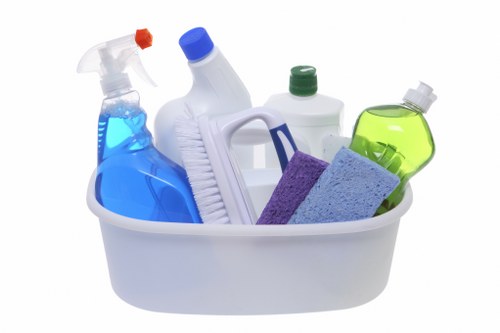
Every building is different, but certain areas almost always require regular attention. A well-planned communal area cleaning service focuses on both visible surfaces and often-forgotten corners that gather dirt over time. This balanced approach ensures the entire shared environment stays presentable.
Entrance and lobby areas are among the most important spaces to maintain. These are the first areas people see, so floors, glass doors, mats, reception counters, and signage should always be kept in excellent condition.
Hallways and corridors see constant foot traffic. Dust, shoe marks, fingerprints, and scuffs build up quickly. Regular vacuuming, sweeping, mopping, and wall spot-cleaning keep these routes neat and inviting.
Staircases require special attention because they are both high-traffic and high-risk areas. Clean handrails, dry steps, and clear landings are essential for safety. Communal area cleaning in stairwells should also include corners, skirting boards, and ledges where dust collects.
Lifts and lift lobbies can become dirty very quickly due to frequent use. Fingerprints, smudges, and debris should be removed regularly. Keeping these spaces polished improves the overall experience for residents and visitors.
Shared outdoor areas such as entry paths, smoking areas, and bin storage zones also benefit from regular upkeep. Litter removal, sweeping, and periodic pressure washing help prevent buildup and support a cleaner exterior appearance.
Areas that are often forgotten
Some locations get overlooked even though they affect the overall cleanliness of the property. These include skirting boards, behind radiators, under furniture, light switches, vents, and door frames. Skilled communal area cleaning providers know how to identify these trouble spots and include them in routine maintenance.
Choosing the Right Communal Area Cleaning Schedule
The best cleaning schedule depends on how much the building is used. A quiet block of flats may need less frequent attention than a busy office or large apartment complex. The goal is to match the service frequency with real-world usage so the shared spaces remain clean without unnecessary cost.
Daily cleaning is ideal for high-traffic areas. This might include entrances, main corridors, lifts, and main stairwells. Daily attention helps prevent dirt from becoming embedded and keeps the property looking fresh all week.
Weekly cleaning may be sufficient in lower-traffic buildings. This can include vacuuming, mopping, dusting, and wiping of surfaces, along with a check for litter or spillages in shared areas.
Periodic deep cleaning is also important. Even with a good routine, some grime builds up over time. Deep cleaning can involve scrubbing floors, washing walls, cleaning vents, treating stains, and addressing areas that are not covered in the normal schedule.
Factors that influence frequency
Several factors affect how often communal area cleaning should take place:
- Number of residents, employees, or visitors
- Type of building and purpose of the shared spaces
- Seasonal changes such as wet weather or winter mud
- Presence of pets, children, or food preparation areas
- Special hygiene requirements for sensitive occupants
A flexible approach works best. When a property is properly assessed, the cleaning schedule can be adapted to match demand. This ensures the building stays clean while keeping services efficient and cost-effective.
What to Expect from a Professional Communal Area Cleaning Service
A reliable service should be organized, consistent, and easy to manage. Professional communal area cleaning providers typically begin with a site assessment to understand the building layout, foot traffic levels, and any special requirements. From there, they create a cleaning plan that reflects the property’s needs.
Good providers focus on consistency. That means the same standard is maintained each visit, with clear attention to high-use areas and problem spots. They should also communicate well with property managers, caretakers, or building committees to ensure that routines stay aligned with expectations.
Many professional teams bring their own equipment and supplies, which helps ensure quality and saves time. They may use commercial-grade vacuums, floor machines, disinfectants, microfiber systems, and window-cleaning tools. This allows them to handle communal area cleaning efficiently and thoroughly.
Signs of a quality service
- Clear cleaning checklist or scope of work
- Flexible scheduling options
- Trained staff who understand shared environments
- Attention to hygiene and safety procedures
- Consistent communication and accountability
When these elements are in place, communal area cleaning becomes much easier to manage. Building owners and managers can focus on broader responsibilities while knowing the shared spaces are being maintained properly.
Communal Area Cleaning for Different Property Types
Although the basic principles remain the same, communal area cleaning looks different depending on the property. Each environment has its own needs, traffic levels, and standards of presentation.
Residential blocks and apartment buildings often require attention to entrances, staircases, lifts, hallways, bin stores, and external walkways. Residents expect these shared zones to be tidy, safe, and comfortable at all times.
Office buildings need communal area cleaning that supports professionalism. Reception areas, corridors, kitchens, toilets, and meeting spaces must be spotless so employees and clients can work in a clean environment.
Schools and educational facilities rely heavily on hygiene-focused cleaning because of the volume of people moving through corridors and shared facilities. Frequent disinfection and litter control are especially important here.
Retail and mixed-use spaces may combine public access with resident or employee areas. This makes regular communal area cleaning essential for keeping the building appealing and safe for everyone.
In every setting, the goal is the same: create a clean, orderly, and welcoming environment that supports daily use and reflects well on the property.
Practical Tips for Maintaining Cleaner Shared Spaces
While professional communal area cleaning is highly effective, property users can also help maintain standards between scheduled visits. Small daily habits can make a noticeable difference and reduce the speed at which dirt accumulates.
- Encourage residents or staff to report spillages immediately.
- Use entry mats to reduce dirt being tracked indoors.
- Keep bins available and emptied regularly.
- Post reminders about keeping communal areas tidy.
- Address maintenance issues such as leaks or damaged flooring quickly.
Good building management also plays a major part. When rules around waste disposal, smoking, and shared space use are clear, communal area cleaning becomes more effective. Cleaners can focus on maintenance rather than repeatedly dealing with preventable mess.
Simple habits such as wiping up spills, avoiding clutter in corridors, and storing belongings properly help shared environments stay tidy. Combined with scheduled cleaning, these actions make a major difference to overall presentation.
Working with occupants
Communication is key. If residents or staff understand the cleaning schedule and know what areas are included, they are more likely to cooperate. This creates a smoother, more efficient process and helps protect the cleanliness of the building.
Why Communal Area Cleaning Is an Investment, Not an Expense
It is easy to think of cleaning as a routine cost, but communal area cleaning should be viewed as a practical investment. Clean shared spaces help maintain property value, reduce complaints, protect surfaces, and support the well-being of everyone who uses the building.
Neglected communal areas often lead to bigger problems. Dirt can cause damage, odors can become embedded, and safety issues can develop. Over time, this may result in higher repair costs and lower occupant satisfaction. Preventing these issues through regular cleaning is usually far more cost-effective than dealing with the consequences later.
Well-maintained buildings also have a stronger reputation. Whether the property is occupied by tenants, employees, students, or visitors, a clean environment gives confidence. It sends a clear message that management takes standards seriously and cares about the shared experience.
In short, communal area cleaning delivers value in multiple ways:
- It supports better hygiene and comfort
- It improves safety and reduces hazards
- It extends the life of surfaces and fittings
- It enhances the appearance of the property
- It contributes to positive occupancy experience
For property managers and owners, investing in a consistent communal area cleaning plan is one of the smartest choices available. It protects the building while also improving the daily experience of everyone inside it.
Final Thoughts on Communal Area Cleaning
Communal area cleaning is essential for any property with shared spaces. It keeps buildings hygienic, safe, attractive, and better organized. From entrances and corridors to lifts, stairwells, and outdoor access points, every part of a communal environment benefits from routine care.
A strong cleaning schedule, the right products, and a professional approach all contribute to better results. When combined with occupant cooperation and good management, these efforts create shared spaces that feel pleasant and well cared for.
If your building needs a cleaner, fresher, and more reliable shared environment, contact us today to discuss your communal area cleaning needs. Whether you are managing a residential block, office property, or mixed-use site, book your service now and make a lasting improvement to the spaces everyone uses.