Commercial Cleaning in Modern Business Spaces: What It Includes, Why It Matters, and How to Choose the Right Service
Commercial cleaning plays a major role in keeping workplaces safe, presentable, and productive. Whether you manage an office, retail store, medical facility, school, warehouse, or hospitality venue, professional commercial cleaning helps maintain a cleaner environment that supports employees, customers, and day-to-day operations. In today’s competitive market, businesses cannot afford to overlook cleanliness, because first impressions, hygiene, and workplace comfort all influence success.
Unlike basic tidying or occasional upkeep, commercial cleaning is a structured service designed for business environments with higher traffic, stricter standards, and more complex needs. A reliable commercial cleaning plan can reduce downtime, improve air quality, support compliance, and extend the life of floors, furniture, and fixtures. For many organizations, investing in commercial cleaning is not just about appearance—it is about operational efficiency and brand reputation.
Commercial cleaning services can be tailored to suit different industries, schedules, and building sizes. From daily janitorial routines to specialized deep cleaning, the right service provider can make a noticeable difference in how a space looks and functions. If you are evaluating commercial cleaning options, it helps to understand the scope of services, the benefits, and the standards you should expect.
What Commercial Cleaning Means for Businesses
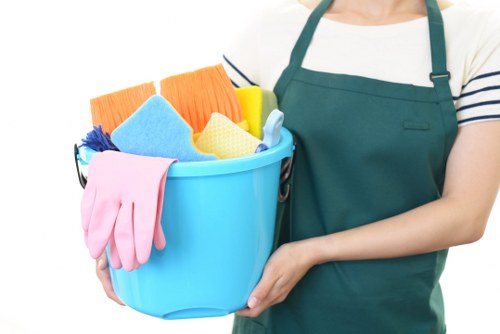
Commercial cleaning refers to professional cleaning services provided to business and non-residential properties. This includes offices, medical centers, schools, hotels, warehouses, restaurants, shopping spaces, and industrial facilities. The work often involves routine tasks such as dusting, vacuuming, mopping, restroom sanitation, waste removal, and surface disinfection. In more specialized settings, commercial cleaning can also include window washing, pressure washing, floor stripping, carpet extraction, and post-construction cleanup.
What sets commercial cleaning apart is the focus on scale, consistency, and compliance. Businesses need cleaning that is done efficiently, often outside normal operating hours, and in a way that minimizes disruption. A commercial cleaning company may also follow specific procedures for handling high-touch surfaces, shared equipment, food prep areas, or sensitive medical spaces. That level of care helps maintain a safer and more organized workplace.
Many businesses choose commercial cleaning services because cleanliness directly affects productivity and customer confidence. Employees tend to work better in well-maintained spaces, while clients and visitors usually notice when a property feels fresh and orderly. In this sense, commercial cleaning supports both the practical and visual side of a business.
Why Commercial Cleaning Matters More Than Ever
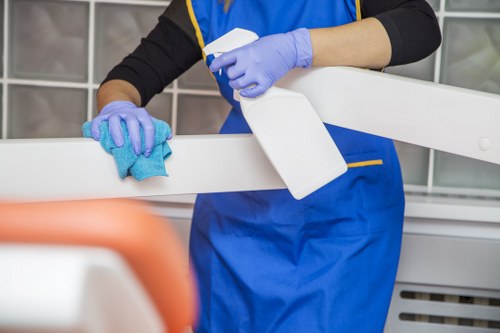
The importance of commercial cleaning has grown significantly as businesses place more emphasis on health, safety, and professional presentation. High-traffic environments collect dust, germs, allergens, and debris quickly, especially in shared offices and public-facing spaces. Regular professional cleaning helps reduce these issues before they affect operations or create avoidable risks.
One of the biggest benefits of commercial cleaning is improved hygiene. Routine disinfection of workstations, breakrooms, restrooms, reception areas, and common touchpoints can help lower the spread of illness. This is especially valuable in workplaces where people work closely together or where many visitors move through the building every day. A cleaner environment can contribute to fewer disruptions, lower absenteeism, and greater peace of mind.
Commercial cleaning also helps preserve property value. Floors, carpets, counters, and fixtures all last longer when they are cleaned correctly and consistently. Dirt and grime may seem minor at first, but over time they can cause wear, staining, and damage that leads to expensive repairs or replacements. Regular cleaning is often far more cost-effective than reactive maintenance.
Types of Commercial Cleaning Services
Commercial cleaning is not a one-size-fits-all service. Different facilities require different methods, cleaning frequencies, and sanitation standards. A strong service provider typically offers a range of solutions to match the needs of each industry and building type.
Common types of commercial cleaning services include:
- Office cleaning – dusting, trash removal, vacuuming, restroom cleaning, and breakroom sanitation
- Retail cleaning – floor care, fitting room cleaning, glass polishing, and high-traffic area maintenance
- Medical cleaning – enhanced disinfection, safe waste handling, and strict hygiene protocols
- Industrial cleaning – warehouse sweeping, equipment-area cleaning, and debris removal
- School and educational cleaning – classroom sanitation, cafeteria cleaning, and shared-space upkeep
- Hospitality cleaning – guest area maintenance, lobby care, and event-space cleaning
- Post-construction cleaning – removal of dust, residue, packaging, and construction debris
Some businesses also request specialty services such as carpet shampooing, tile and grout cleaning, hard floor refinishing, and exterior pressure washing. Choosing the right mix of services ensures the building remains clean, safe, and visually appealing throughout the year.
Office Cleaning and Workplace Presentation
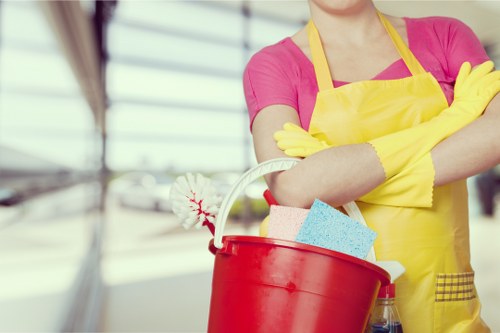
Office cleaning is one of the most common forms of commercial cleaning, and for good reason. Offices often contain multiple shared spaces, including desks, meeting rooms, kitchens, restrooms, and entry areas. When these areas are cleaned regularly, the workplace feels more organized and professional.
For employees, a clean office can support focus and morale. Clutter, dust, and unpleasant odors can make a workplace feel neglected and distracting. A dependable commercial cleaning schedule keeps the environment fresh and consistent, which can help teams concentrate on their work. In customer-facing businesses, office cleaning also influences the impression clients form when they visit.
Typical office cleaning tasks may include vacuuming carpets, disinfecting desktops, emptying bins, polishing surfaces, and sanitizing shared appliances. Many office buildings also benefit from periodic deep cleaning to address areas that routine maintenance may not fully cover. Well-executed commercial cleaning helps offices look polished without interrupting the workday.
Industries That Rely on Commercial Cleaning
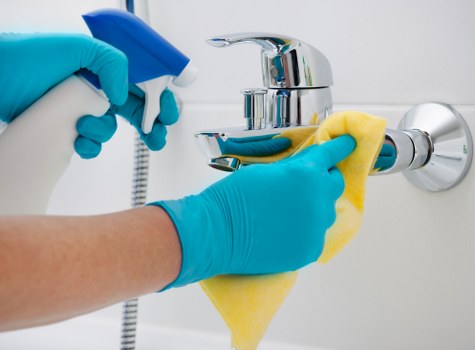
Although all businesses benefit from commercial cleaning, some industries depend on it more than others because of health regulations, foot traffic, or operational complexity. These industries often require specialized training, equipment, and cleaning schedules to meet their standards.
Industries that commonly use commercial cleaning include:
- Healthcare – clinics, dental practices, hospitals, and urgent care centers
- Education – schools, universities, and training centers
- Retail – stores, malls, and shopping centers
- Hospitality – hotels, resorts, and banquet facilities
- Food service – restaurants, cafes, and commercial kitchens
- Corporate offices – headquarters, coworking spaces, and administrative buildings
- Industrial and manufacturing – warehouses, production floors, and logistics centers
Each of these sectors has unique priorities. For example, healthcare facilities need strict disinfection standards, while retail spaces often focus on appearance and customer flow. Commercial cleaning providers that understand these differences can deliver more effective results.
How Commercial Cleaning Supports Health and Safety
Health and safety are among the strongest reasons businesses invest in commercial cleaning. Shared environments naturally accumulate germs, dust, and allergens. Without regular cleaning, these contaminants can affect indoor air quality and increase the likelihood of illness. Professional commercial cleaning reduces buildup and helps maintain a healthier atmosphere for everyone who enters the space.
Restrooms, kitchens, break rooms, and reception areas often need special attention because they are used frequently and can become hotspots for bacteria. Commercial cleaning teams use the right products and methods to clean these areas thoroughly. That may include disinfectants approved for specific surfaces, microfiber tools that capture dust more effectively, and color-coded systems that reduce cross-contamination.
In addition, commercial cleaning supports safety by reducing slip hazards, clutter, and blocked walkways. A clean floor is less likely to create accidents caused by spills or debris. By keeping spaces orderly, businesses can create safer conditions for staff, visitors, and customers alike. Cleanliness is not only about appearance; it is part of workplace risk management.
Deep Cleaning vs. Routine Commercial Cleaning
Businesses often need both routine commercial cleaning and periodic deep cleaning. These services serve different purposes, and together they create a more complete maintenance strategy. Routine cleaning is the regular upkeep that keeps a building presentable from day to day. Deep cleaning is a more intensive service that targets buildup in areas that are not always addressed during standard visits.
Routine commercial cleaning may happen daily, weekly, or on another recurring schedule. It usually includes tasks such as emptying trash, cleaning bathrooms, disinfecting surfaces, and vacuuming. Deep cleaning, on the other hand, can involve scrubbing baseboards, cleaning behind furniture, washing walls, restoring floors, and removing embedded dirt from carpets or upholstery.
Many businesses find that a combined approach works best. Routine commercial cleaning maintains the standard of cleanliness, while deep cleaning restores the property to a higher level when needed. This balance helps prevent deterioration and keeps the workplace consistently welcoming.
When Deep Cleaning Is Especially Useful
Deep cleaning may be especially valuable during seasonal transitions, after renovations, before major events, or when a building has experienced heavy use. It is also useful in spaces where dust, grease, or moisture can accumulate faster than usual. For businesses that want to maintain a premium image, deep cleaning can make a major visual and hygienic difference.
What to Expect from a Professional Commercial Cleaning Company
A professional commercial cleaning company should do more than simply clean visible surfaces. It should provide a reliable process, clear communication, and consistent quality control. The best providers understand that every facility has different priorities and build a plan around those needs.
When evaluating commercial cleaning services, look for companies that offer:
- Customized cleaning plans based on your property type and schedule
- Trained staff who understand proper cleaning techniques and product use
- Reliable quality control and inspection processes
- Flexible scheduling to reduce disruption during business hours
- Appropriate equipment for floors, carpets, glass, and specialized surfaces
- Clear service scope so you know what is included
- Industry-specific knowledge when applicable
A well-run commercial cleaning provider should be able to explain how it handles routine maintenance, special requests, and emergencies. That transparency gives businesses confidence and helps ensure consistent service over time.
Key Areas Commercial Cleaning Should Cover
Every building has different needs, but some spaces almost always deserve priority in commercial cleaning plans. These are the areas people use most often and notice first when they are not clean.
High-traffic zones
Entrances, hallways, lobbies, and waiting areas collect dirt quickly. They should be cleaned frequently because they shape first impressions and contribute to overall building appearance.
Restrooms and washrooms
These areas require careful sanitation, odor control, and restocking. A clean restroom is one of the clearest signs of a well-maintained facility.
Breakrooms and kitchens
Food preparation and eating spaces need regular disinfection to help prevent odors, residue, and hygiene issues. Commercial cleaning in these areas should be consistent and thorough.
Workstations and shared equipment
Desks, phones, keyboards, printers, and conference tables should be cleaned according to usage patterns. Shared equipment can transfer germs easily, so these touchpoints matter.
Floors and carpets
Floor care is a major part of commercial cleaning. Dust, grit, and spills can damage flooring and create safety issues if they are not addressed promptly.
Benefits of Outsourcing Commercial Cleaning
Many businesses choose to outsource commercial cleaning because it is practical, scalable, and often more efficient than handling cleaning in-house. While some internal staff may manage basic tidiness, professional cleaners bring experience, equipment, and a structured approach that improves results.
One major advantage is consistency. In-house cleaning duties can be overlooked when employees are busy with their primary responsibilities. A commercial cleaning company follows a scheduled plan and focuses entirely on upkeep. This leads to more dependable outcomes and less variability in quality.
Another benefit is expertise. Professional commercial cleaning teams know which methods work best on different materials, surfaces, and contaminants. They can also recommend the right frequency for services based on traffic, layout, and industry needs. Outsourcing commercial cleaning often saves time, improves quality, and reduces stress.
There is also a financial advantage in many cases. Purchasing supplies, equipment, and training for in-house cleaning can become costly. Outsourcing can make expenses more predictable while reducing the burden of managing cleaning operations internally.
How to Choose the Right Commercial Cleaning Service
Selecting the right provider is one of the most important decisions a business can make when it comes to maintenance. Not all commercial cleaning companies offer the same level of service, and not every provider is suited to every type of facility.
To make a smart choice, consider the following factors:
- Experience – Look for a company with experience in your industry or facility type.
- Service range – Make sure the company offers the tasks your building actually needs.
- Scheduling flexibility – Confirm they can clean at times that work for your operations.
- Training and standards – Ask how staff are trained and how quality is checked.
- Communication – Choose a provider that responds clearly and professionally.
- Scalability – The service should be able to grow with your business.
- Reputation for reliability – Consistency matters in commercial cleaning.
It is also wise to request a site assessment before committing. A good provider will want to understand your floors, surfaces, traffic patterns, and special concerns. This helps create a more accurate plan and avoids surprises later.
Questions to Ask Before Hiring
You may want to ask whether the company uses environmentally responsible products, how it handles emergency requests, and whether it offers customizable schedules. Asking the right questions can help you choose a commercial cleaning partner that fits your business goals.
Commercial Cleaning and Green Practices
Sustainability is an increasingly important topic in business operations, and commercial cleaning is no exception. Many organizations now prefer green cleaning practices that reduce harsh chemical use, limit waste, and support healthier indoor spaces. Eco-friendly commercial cleaning can be a strong option for businesses that want to demonstrate environmental responsibility.
Green cleaning products are designed to minimize exposure to strong fumes and reduce impact on the environment. In addition, efficient equipment and reusable cleaning tools can cut down on waste. Some providers also use concentrated products that lower packaging demands and improve supply management.
Choosing greener commercial cleaning practices does not mean sacrificing quality. In many cases, it enhances indoor comfort and helps create a safer workplace. Businesses that prioritize sustainability may find that green commercial cleaning aligns naturally with their values and customer expectations.
Why Commercial Cleaning Helps Protect Brand Image
Cleanliness influences how people perceive a business before they even speak to anyone inside. A spotless reception area, fresh-smelling restroom, and well-kept floor send a message of professionalism and care. On the other hand, visible dirt or neglected spaces can create doubt about how the business operates overall.
This is especially true in industries where trust and presentation matter. Clients often associate a clean workplace with attention to detail, reliability, and respect. Employees may also feel more valued when the environment shows that their comfort and safety matter. That is why commercial cleaning contributes to brand image in a way that goes beyond aesthetics.
Businesses that invest in consistent commercial cleaning often benefit from stronger customer confidence and a better internal culture. In competitive markets, these small details can make a meaningful difference. Professional cleaning is part of professional branding.
Building a Commercial Cleaning Schedule That Works
Every business should have a cleaning schedule that matches its traffic, industry, and operating hours. A schedule that is too light may leave the building looking untidy, while one that is too intense may create unnecessary cost. The goal is to find the right balance.
A typical schedule might include daily trash removal and restroom cleaning, weekly floor detailing, monthly deep cleaning tasks, and periodic specialty services. High-traffic businesses may need more frequent attention, while smaller offices may require a lighter program. The best commercial cleaning plan is one that remains flexible enough to adjust as business needs change.
Facilities should also review their cleaning priorities regularly. Seasonal weather, staffing changes, renovations, and customer volume can all affect what level of commercial cleaning is required. A provider that can adapt to changing conditions will be more valuable in the long run.
Sample Weekly Focus Areas
- Monday: entryways, lobbies, and front-facing spaces
- Tuesday: restrooms, kitchens, and break areas
- Wednesday: offices, conference rooms, and shared equipment
- Thursday: floors, carpets, and dust-prone surfaces
- Friday: touchpoint disinfection, waste removal, and overall refresh
Final Thought on Routine Maintenance
Commercial cleaning works best when it is proactive, not reactive. A predictable schedule reduces problems before they grow and helps businesses maintain a consistently polished look.
Conclusion: The Value of Commercial Cleaning for Every Workplace
Commercial cleaning is an essential part of running a successful business. It supports health and safety, protects assets, improves morale, strengthens brand image, and helps facilities operate more efficiently. Whether you need office cleaning, deep cleaning, or industry-specific sanitation, a professional approach can deliver results that basic upkeep simply cannot match.
For businesses that want to create a better environment for staff and customers, commercial cleaning is a smart and practical investment. With the right provider, you can maintain a cleaner, safer, and more welcoming workplace all year long. If your space needs a higher standard of care, contact us today and book your service now to experience the difference professional commercial cleaning can make.