House Cleaning in the Modern Home: Practical Strategies for a Cleaner, Healthier Space
House cleaning in today’s busy world is no longer just about making rooms look neat. It is about creating a healthier home, reducing stress, saving time, and maintaining a space that feels comfortable every day. Whether you live in a small apartment, a family house, or a larger property, consistent house cleaning supports better indoor air quality, preserves furniture and surfaces, and helps prevent dirt from building up into bigger problems. A well-kept home also makes daily routines smoother and more enjoyable.
Many people search for effective house cleaning methods because they want results that last. The key is not simply cleaning harder, but cleaning smarter. With the right routine, tools, and mindset, house cleaning becomes easier to manage and far less overwhelming. From dusting and vacuuming to disinfecting high-touch areas and keeping kitchens fresh, each task plays a role in maintaining a clean home environment. House cleaning is one of the most valuable habits for long-term home care.
In this article, we will look at the essentials of house cleaning, the benefits of maintaining a routine, room-by-room strategies, and practical tips that make the process more efficient. You will also find useful advice on choosing supplies, organizing your schedule, and understanding when professional house cleaning services may be worth considering. If you want a home that feels cleaner, brighter, and more manageable, this article will help you take the next step.
Why House Cleaning Matters More Than Many People Realize
House cleaning affects much more than appearance. A clean home can influence physical health, emotional well-being, and even productivity. Dust, crumbs, pet hair, and grime can build up quickly, especially in active households. When these issues are not addressed regularly, they may lead to odors, allergens, and surface damage. Regular house cleaning helps reduce these risks and keeps your environment more pleasant.
There is also a strong connection between cleanliness and peace of mind. Many people find that a tidy environment makes it easier to focus, relax, and sleep better. When surfaces are clear and floors are clean, the entire home feels more organized. House cleaning is not just a task; it is part of a healthy living routine that supports comfort and clarity.
Consistent home cleaning also helps protect your investment. Floors, countertops, appliances, upholstery, and fixtures all last longer when they are maintained properly. Dirt and buildup can cause wear over time, so keeping up with routine cleaning is often more cost-effective than waiting until deep cleaning becomes necessary.
Key benefits of regular cleaning
- Reduces dust, dirt, and allergens
- Improves indoor comfort and appearance
- Helps prevent mold, stains, and buildup
- Makes daily maintenance easier
- Supports a more relaxing home atmosphere
Building a House Cleaning Routine That Works

One of the best ways to stay on top of house cleaning is to create a routine that fits your schedule and lifestyle. Some tasks need attention every day, while others can be handled weekly or monthly. When you break the process into manageable parts, house cleaning becomes less stressful and more realistic.
A good routine starts with identifying the areas that get dirty fastest. Kitchens, bathrooms, entryways, and living areas usually need the most frequent attention. Bedrooms and storage spaces may require less frequent cleaning, but they should still be maintained on a regular basis. House cleaning is easier when you know what needs to be done and when.
It can help to use a checklist. A checklist keeps you focused and prevents tasks from being forgotten. It also allows you to divide cleaning into daily, weekly, and monthly tasks. The goal is to make house cleaning feel natural and repeatable rather than overwhelming.
Sample cleaning schedule
- Daily: Wipe counters, wash dishes, sweep kitchen floors, tidy common areas
- Weekly: Vacuum carpets, mop hard floors, clean bathrooms, dust surfaces
- Monthly: Clean appliances, wipe baseboards, wash windows, organize storage areas
- Seasonally: Deep clean closets, inspect vents, rotate mattresses, clean behind furniture
Essential House Cleaning Supplies for Better Results
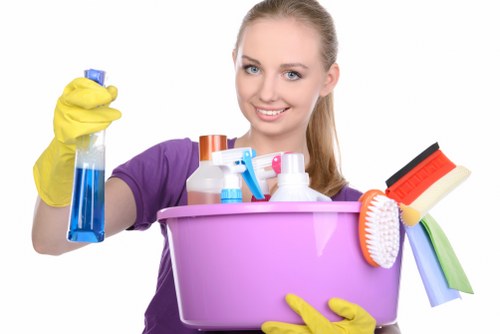
Having the right cleaning supplies makes a major difference in how efficiently you clean. While you do not need a large collection of products, you do need the basics. A smart house cleaning kit should include tools for dusting, scrubbing, wiping, disinfecting, and floor care. The better prepared you are, the easier it becomes to maintain a clean home.
Microfiber cloths are especially useful because they trap dust well and work on many surfaces. A vacuum cleaner with strong suction can handle carpets, rugs, and upholstery. A mop, bucket, sponges, scrub brushes, and an all-purpose cleaner are also important. For more targeted cleaning, you may want glass cleaner, bathroom disinfectant, and a gentle solution for wood or stone surfaces. Effective house cleaning depends on using the right product for the right job.
It is also important to keep safety in mind. Always read labels carefully, especially when using disinfectants or stain removers. Ventilate the room when needed and avoid mixing products unless the label says it is safe. Good house cleaning habits should protect both your home and the people in it.
Helpful supply checklist
- Microfiber cloths
- Vacuum cleaner
- Mop and bucket
- All-purpose cleaner
- Glass cleaner
- Bathroom disinfectant
- Scrub brushes and sponges
- Rubber gloves
Room-by-Room House Cleaning Tips
Different rooms in the house have different cleaning needs, so it helps to approach each space with a plan. Kitchen cleaning focuses on hygiene and grease control. Bathroom cleaning focuses on disinfecting and moisture management. Living areas require dust control, while bedrooms benefit from regular linen care and decluttering. A room-by-room approach makes house cleaning more efficient and less confusing.
In the kitchen, wipe down countertops, clean the sink, and remove crumbs from appliances and cabinet edges. Pay attention to the stovetop and backsplash, where grease often collects. In bathrooms, scrub sinks, toilets, tubs, and showers regularly to prevent soap scum and buildup. In living rooms, dust shelves, electronics, and decorative items before vacuuming upholstery and floors. Each of these steps contributes to a more thorough house cleaning routine.
Bedrooms should not be overlooked. Fresh bedding, clean floors, and uncluttered surfaces make a major difference in how restful the room feels. Even small tasks like emptying trash bins and wiping nightstands can improve the overall cleanliness of the space. House cleaning is most effective when every room receives appropriate attention.
Room-specific priorities
- Kitchen: Sanitize food-contact surfaces and remove grease buildup
- Bathroom: Disinfect fixtures and control moisture
- Living room: Dust, vacuum, and declutter regularly
- Bedrooms: Wash linens and keep surfaces tidy
- Entryways: Remove dirt before it spreads through the home
Deep Cleaning vs. Regular House Cleaning
Regular house cleaning and deep cleaning serve different purposes, and both are important. Regular cleaning is the maintenance work that keeps your home presentable from day to day or week to week. Deep cleaning goes further by addressing hidden dirt, buildup, and neglected areas. Knowing the difference helps you plan your time and set realistic expectations.
Regular house cleaning usually includes tasks like vacuuming, wiping surfaces, cleaning bathrooms, and taking out the trash. Deep cleaning may involve washing baseboards, cleaning behind appliances, scrubbing grout, wiping vents, and organizing hard-to-reach spaces. Because deep cleaning takes more time and energy, many households schedule it monthly, seasonally, or before special occasions. House cleaning works best when these two approaches complement each other.
A balanced plan keeps surfaces cleaner between deep cleaning sessions. This means you spend less time fighting buildup later. For example, if you wipe kitchen appliances weekly, you will not have to deal with thick grease layers as often. If you dust ceiling fans and vents regularly, your indoor air may feel fresher. Small habits create big results over time.
When deep cleaning is most useful
- Before hosting guests or events
- At the start of a new season
- After renovations or home projects
- When allergens or odors increase
- When areas have been neglected for a while
Time-Saving House Cleaning Strategies for Busy Households
Many people struggle with house cleaning because they think they need large blocks of time. In reality, a few focused minutes each day can make a huge difference. Time-saving strategies are essential for busy families, working professionals, and anyone who wants a cleaner home without spending every weekend on chores. The trick is consistency, not perfection.
One effective method is cleaning as you go. If you wipe spills immediately, put items away after use, and spend a few minutes tidying before bed, your home stays more manageable. Another smart approach is to clean one area while doing something else, such as wiping counters while waiting for food to cook. These small actions keep house cleaning from piling up.
Batch cleaning can also save time. Instead of cleaning one small thing at a time all day, group similar tasks together. For example, dust all rooms in one session, then vacuum the entire home in another. This reduces switching between tools and helps you move more efficiently. A smoother workflow often makes house cleaning feel less tiring.
Practical time-saving tips
- Set a timer for 10 to 15 minutes of focused cleaning
- Keep supplies in easy-to-reach places
- Use baskets for quick decluttering
- Work from top to bottom in each room
- Clean one room at a time to stay organized
How House Cleaning Supports a Healthier Home
Cleanliness is closely connected to health. Dust, pet dander, pollen, mold, and bacteria can all accumulate in a home if cleaning is inconsistent. House cleaning helps reduce these irritants and makes the indoor environment more comfortable for everyone, especially children, older adults, and people with allergies or asthma. A cleaner home can mean fewer triggers and less exposure to unwanted particles.
Bathrooms and kitchens deserve extra attention because they are more prone to moisture and germs. Regular disinfection of high-touch surfaces such as doorknobs, light switches, faucet handles, and remote controls is an important part of house cleaning. Likewise, vacuuming with a quality filter can help remove dust from carpets and fabric surfaces more effectively.
Air quality also improves when clutter is under control. Objects piled around a room can trap dust and make cleaning harder. Keeping surfaces open and easy to wipe helps maintain freshness and reduces hidden buildup. In this way, house cleaning is not only about appearance but also about creating a healthier everyday environment.
Health-focused cleaning habits
- Disinfect high-touch surfaces regularly
- Wash bedding and towels often
- Vacuum carpets and rugs with care
- Keep moisture under control in bathrooms and kitchens
- Declutter to reduce dust collection
Common House Cleaning Mistakes to Avoid
Even with good intentions, some cleaning habits can waste time or lead to poor results. One common mistake is using too much product. More cleaner does not always mean better cleaning. In fact, it can leave residue behind and make surfaces sticky. Another mistake is cleaning in the wrong order, such as vacuuming before dusting, which can cause dirt to settle again.
Skipping often-forgotten areas is another issue. Baseboards, vents, behind toilets, under furniture, and inside appliances can all collect dirt over time. A complete house cleaning routine should include these hidden spots periodically. Paying attention to detail helps you avoid unpleasant surprises later.
Using the wrong tools for delicate surfaces can also cause damage. Abrasive scrubbers may scratch countertops, and harsh chemicals may harm finishes. Always match your cleaning method to the surface. Thoughtful house cleaning protects your home while improving its appearance.
Common errors to watch for
- Overusing cleaning products
- Cleaning in the wrong sequence
- Ignoring hidden or hard-to-reach areas
- Using harsh materials on delicate surfaces
- Waiting too long between cleaning sessions
When Professional House Cleaning Services Make Sense
While many people handle routine cleaning on their own, there are times when professional help makes sense. Busy schedules, large homes, special events, moving in or out, and post-renovation cleanup are all situations where professional house cleaning can save time and energy. Having support can also be useful when a deep clean is needed but there is not enough time to do it thoroughly.
Professional house cleaning services bring experience, speed, and specialized tools. They often know how to handle different surfaces and can tackle tasks that are easy to put off. For households with demanding routines, hiring help may be a practical way to stay on top of home maintenance without feeling overwhelmed. House cleaning becomes easier when you combine daily habits with expert assistance as needed.
If you choose professional support, look for a service that understands your needs and uses safe, effective methods. Be clear about priorities, room focus, and frequency. The right arrangement can make your home easier to maintain all year long. Book your service now if you want a cleaner space without sacrificing valuable time.
Situations where professional help can help
- Before hosting important guests
- After a renovation or construction project
- During busy work or family periods
- When deep cleaning feels difficult to manage
- For move-in or move-out cleaning needs
Simple Habits That Make House Cleaning Easier Every Day
Small habits often have the biggest impact on house cleaning. If every member of the household contributes to daily tidying, the overall workload becomes lighter. Returning items to their place, wiping messes as they happen, and spending a few minutes resetting shared spaces can dramatically improve cleanliness.
Another helpful habit is reducing clutter before it accumulates. When there are fewer unnecessary items in the way, dusting and vacuuming become faster. You may also find it easier to notice areas that need attention. House cleaning is much easier in spaces that are simple to maintain.
Consistency is the real secret. A home does not need to be spotless at all times to feel clean and welcoming. What matters most is staying ahead of dirt and keeping essential areas under control. If you build routines that fit your life, house cleaning can become a steady habit rather than an occasional burden.
Daily habits that help
- Make beds each morning
- Wipe kitchen counters after use
- Put shoes and bags away at the door
- Do a quick evening tidy-up
- Empty trash before it overflows
Creating a Cleaner, More Comfortable Home
House cleaning is one of the simplest and most effective ways to improve everyday life at home. It supports health, reduces stress, protects surfaces, and makes rooms feel more inviting. When you use a routine, choose the right tools, and focus on the areas that matter most, the process becomes much easier to manage. A clean home is not about perfection; it is about consistency and care.
Whether you are maintaining a small apartment or a busy family home, a thoughtful house cleaning plan can help you stay organized and feel more in control. By combining daily habits with weekly and monthly tasks, you can keep your home looking and feeling its best. Over time, those efforts add up to a more comfortable and enjoyable living space.
If you are ready to improve your home environment, start with one room, one task, or one habit today. Then build from there. Contact us today to learn more about professional support options, or book your service now if you want to make house cleaning easier and more effective from the start.