Deep Cleaning: A Practical, Room-by-Room Approach to a Healthier Home
Deep cleaning is more than a quick tidy-up or a surface wipe. It is a focused cleaning process that reaches the hidden, neglected, and hard-to-reach areas that everyday routines often miss. Whether you live in a small apartment, a busy family house, or a shared space, deep cleaning helps restore freshness, improve hygiene, and create a more comfortable environment.
Unlike regular cleaning, which maintains visible areas, deep cleaning targets buildup, dust, grime, grease, and bacteria in places like behind appliances, inside cabinets, along baseboards, and under furniture. This deeper approach can make a noticeable difference in air quality, appearance, and overall cleanliness. If you have ever wondered why a room still feels dusty even after vacuuming, the answer is often found in the need for deep cleaning.
In this article, we will explore what deep cleaning involves, why it matters, how to prioritize tasks, and how to handle each area of the home efficiently. You will also find practical tips, checklists, and useful strategies to make the process easier. Book your service now if you need support from trained professionals, or use this information to create your own plan at home.
What Deep Cleaning Really Means
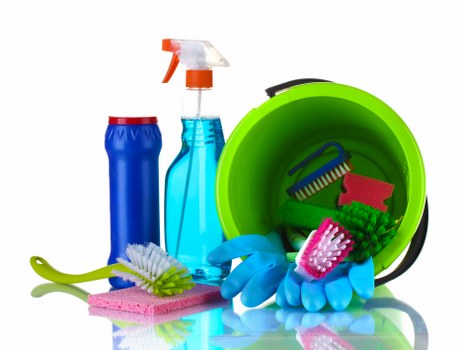
Deep cleaning is a detailed cleaning process that goes beyond daily maintenance. It focuses on removing embedded dirt, sanitizing overlooked surfaces, and refreshing areas that tend to accumulate buildup over time. This includes cleaning behind large appliances, washing trim, scrubbing tile grout, wiping light fixtures, and disinfecting high-touch areas.
Many people confuse routine cleaning with deep cleaning, but the difference is significant. A normal cleaning session may include sweeping, dusting, and wiping counters. A deep clean, on the other hand, involves lifting furniture, cleaning vents, scrubbing inside sinks, and addressing stains that have settled in over time.
Deep cleaning is also valuable because it helps reset your home. After seasonal changes, renovations, moving in or out, or simply long periods of busy living, a detailed clean can remove buildup that routine chores leave behind.
Why Deep Cleaning Matters
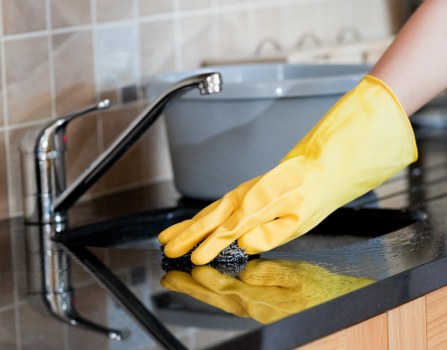
The benefits of deep cleaning are both practical and immediate. A thoroughly cleaned home looks brighter, smells fresher, and feels more organized. But the advantages go further than appearance. Deep cleaning can reduce allergens, eliminate hidden dust, and lower the amount of bacteria on surfaces.
This matters especially for households with children, seniors, pets, or anyone sensitive to dust and indoor air quality. When dirt is allowed to collect in carpets, upholstery, and corners, it can circulate through the home and affect comfort. Regular deep cleaning services or a solid DIY routine can help reduce that buildup.
Deep cleaning also supports longer-lasting materials and surfaces. Grime on tiles, soap residue in bathrooms, and grease in kitchens can damage finishes over time. By addressing these issues early, you can maintain the condition of your home and avoid costly repairs or replacements.
How Often Should Deep Cleaning Be Done?
There is no single rule for every household, but most homes benefit from a deep cleaning every few months. High-traffic homes, homes with pets, and homes with allergy concerns may need it more often. Seasonal cleaning is a popular approach because it gives homeowners a natural schedule to follow throughout the year.
You may want to deep clean more frequently in certain situations, such as after illness, before hosting guests, after a party, during a move, or after a renovation project. These moments often bring extra dirt, dust, or clutter that regular cleaning does not fully address.
For many households, the best plan is to combine weekly maintenance with scheduled deep cleaning. That way, the daily mess stays manageable while larger buildup never becomes overwhelming. Contact us today if you want to explore professional options that fit your home’s needs.
Signs Your Home Needs Deep Cleaning
- Dust returns quickly after routine dusting
- Bathrooms still look dull after wiping
- Kitchen surfaces feel sticky or greasy
- Carpets and rugs trap odors
- Baseboards, vents, and corners collect visible buildup
- Rooms feel less fresh even when they are “clean”
These signs often indicate that deep cleaning is overdue. The good news is that once the process is done, the difference is easy to notice.
Preparing for a Deep Cleaning Session
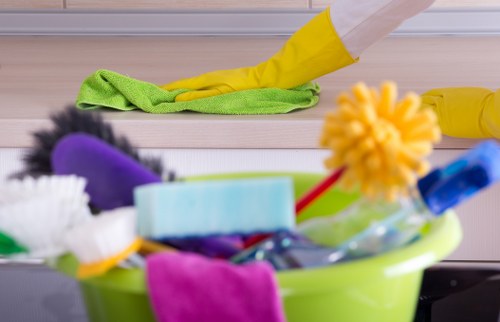
Preparation makes deep cleaning more efficient and less stressful. Before starting, gather the right supplies so you do not have to stop mid-task. Having everything in place also helps you move from room to room with a clear plan.
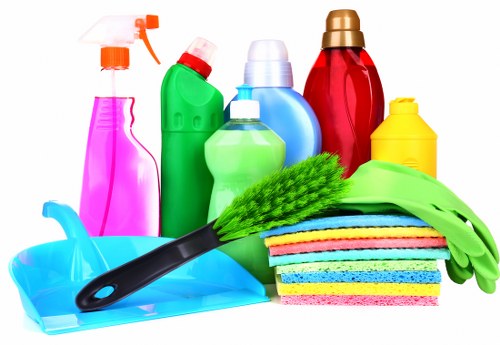
Common supplies include microfiber cloths, sponges, scrub brushes, disinfectant, glass cleaner, bathroom cleaner, floor cleaner, an extendable duster, gloves, a vacuum with attachments, and trash bags. If you prefer natural options, vinegar, baking soda, and mild soap can be useful for some surfaces.
It also helps to declutter first. Deep cleaning works best when surfaces are clear and reachable. Put away scattered items, sort through trash, and remove anything that does not belong in the room. This simple step reduces friction and improves your results.
Start with a Cleaning Plan
A step-by-step plan keeps deep cleaning organized. Many people prefer to work from top to bottom and from one side of a room to the other. This method prevents dust from falling onto already cleaned areas and helps you avoid missing spots.
- Declutter the space
- Dust high surfaces
- Clean walls, trim, and fixtures
- Sanitize surfaces
- Vacuum or mop floors last
Deep cleaning becomes easier when you follow a system instead of jumping randomly from one task to another.
Kitchen Deep Cleaning: Where Dirt Hides
The kitchen is one of the most important areas to deep clean because it combines food prep, heavy traffic, and frequent spills. Grease, crumbs, and moisture create the perfect environment for buildup. A proper deep cleaning routine can improve both hygiene and cooking comfort.
Start with the outside surfaces: countertops, cabinet doors, appliance fronts, and backsplashes. Then move to hidden areas such as under the sink, behind the stove, inside the microwave, and around the refrigerator. Pay attention to handles, switches, and other high-touch areas that are often overlooked.
Kitchen sinks deserve special care. Scrub the basin, faucet, drain, and surrounding edges. If the drain has odor, use appropriate cleaning methods to remove residue. Clean the dishwasher filter if your appliance has one, and wipe away crumbs or grime from small crevices. These details make a major difference in how fresh the kitchen feels.
Kitchen Deep Cleaning Checklist
- Wipe cabinets inside and out
- Degrease backsplash and stove area
- Clean oven interior and stovetop
- Empty and sanitize the refrigerator
- Clean microwave inside and outside
- Scrub sink, faucet, and drain
- Sweep and mop under appliances if possible
Book your service now if kitchen grease and buildup have become too time-consuming to handle alone.
Bathroom Deep Cleaning for a Fresher Space
Bathrooms need special attention because moisture encourages soap scum, mildew, and mineral deposits. A strong deep cleaning routine helps remove buildup and restore a brighter, more sanitary look.
Begin with mirrors, counters, sinks, and faucets. Then move to the toilet, shower, tub, tiles, grout, and flooring. Pay attention to corners, around fixtures, and behind the toilet. Many of these areas are missed during regular cleaning but are essential in a full deep clean.
To improve results, let cleaning products sit for a few minutes before scrubbing. This gives them time to break down residue and makes the job easier. For grout and tile lines, a small brush can help lift stubborn discoloration. If your shower glass has hard water marks, use a method that targets mineral buildup specifically.
Bathroom Deep Cleaning Priorities
- Disinfect sinks, counters, and faucets
- Scrub toilet base, seat, and surrounding floor
- Remove soap scum from shower walls and doors
- Clean tile grout and corners
- Wipe vent covers and light switches
- Mop floors with attention to edges
Bathrooms often reveal the biggest visual improvement after deep cleaning, especially when grout, glass, and chrome fixtures are restored to a cleaner finish.
Living Room and Bedroom Deep Cleaning

Living rooms and bedrooms may look clean at first glance, but they often collect dust in fabrics, corners, and decorative items. A thorough deep cleaning makes these rooms feel softer, fresher, and more restful.
Start by removing clutter from surfaces, then dust shelves, frames, lamps, electronics, vents, and baseboards. If possible, move furniture to clean underneath and behind it. Upholstered furniture should be vacuumed with attachment tools to remove dust, hair, and crumbs.
Bedrooms benefit from a close look at mattresses, under-bed storage, curtains, and closet areas. Wash bedding, vacuum the mattress surface, and rotate the mattress if needed. In living rooms, focus on sofas, coffee tables, side tables, and entertainment units. These areas gather dust quickly, especially in homes with pets or children.
Room Deep Cleaning Tips
- Use a microfiber cloth to trap dust instead of spreading it
- Vacuum furniture seams and cushion edges
- Clean behind and under beds and sofas
- Dust blinds, curtain rods, and ceiling fans
- Wipe remote controls and electronic surfaces
- Refresh rugs with proper vacuuming or cleaning
Deep cleaning these rooms improves both comfort and appearance, creating a more inviting place to relax.
Floors, Carpets, and Hidden Dust
Why Floors Need More Than a Quick Sweep
Floors collect everything from dirt and crumbs to hair and tracked-in debris. A routine sweep or vacuum is helpful, but deep cleaning floors means going further. It may include moving furniture, cleaning edges, and treating spots or stains that have settled in.
Hard floors should be mopped with the correct solution for the surface type. Tile floors may need attention to grout lines, while hardwood floors require a gentler approach. Laminate, vinyl, and stone each have their own care needs, so using the right method matters. The goal of deep cleaning is not just to make floors look good, but to preserve them.
Carpets and rugs deserve equal care. Vacuum thoroughly, including corners and under furniture. If stains are present, address them as soon as possible. Periodic steam cleaning or professional treatment can help remove odors and embedded dirt that regular vacuuming cannot reach.
Floor Deep Cleaning Essentials
- Vacuum edges and under furniture
- Treat stains before mopping or washing
- Use the right cleaner for each floor type
- Clean baseboards and thresholds
- Refresh rugs and runners regularly
The difference between a surface-level clean and a true deep clean often becomes most obvious on the floor.
Deep Cleaning Less-Visible Areas
One of the most important parts of deep cleaning is tackling the places people rarely notice until the buildup becomes obvious. These areas include vents, ceiling fans, light fixtures, door frames, window sills, blinds, behind furniture, and underneath appliances.
Because these spots are out of sight, they often collect more dust than expected. Cleaning them can reduce allergens and make the whole home feel fresher. It also improves the way light reflects in the room, making spaces look brighter and more open.
When deep cleaning hidden areas, use tools that help you reach narrow spaces. Extendable dusters, vacuum attachments, and small brushes are especially useful. Deep cleaning services often pay close attention to these details because they are easy to miss during routine maintenance.
Helpful Hidden-Area Targets
- Ceiling fans and light fixtures
- Air vents and return grilles
- Baseboards and crown molding
- Window tracks and sill edges
- Behind furniture and appliances
How to Make Deep Cleaning Easier
Deep cleaning does not have to feel overwhelming. The best way to make it manageable is to break the work into smaller parts. Focus on one room, one category, or one time block at a time. This prevents fatigue and keeps the process realistic.
Another useful strategy is to set a timer. Working in focused sessions can improve productivity without making the day feel endless. For example, you might spend 30 minutes on the kitchen, take a short break, and then move to a bathroom or living area.
It is also smart to match the cleaning to your priorities. If you are short on time, start with the highest-impact spaces such as kitchens and bathrooms. If you are preparing for guests, focus on visible areas first. A successful deep cleaning plan is one that fits your schedule and needs.
Smart Time-Saving Tips
- Gather all supplies before starting
- Declutter before scrubbing
- Work top to bottom
- Use multi-purpose cleaners where appropriate
- Clean one room at a time
- Keep a maintenance schedule after the deep clean
When the process is organized, deep cleaning becomes less stressful and far more effective.
Professional Deep Cleaning vs. DIY Cleaning
Many homeowners handle deep cleaning themselves, while others prefer to hire professionals for certain tasks. Both options can work well depending on time, energy, budget, and the size of the job. A professional service may be especially useful for move-in or move-out cleaning, post-renovation cleaning, or homes that need a full reset.
DIY deep cleaning gives you control over products, timing, and focus areas. It can also be satisfying because you know exactly what has been cleaned. However, professional deep cleaning services often bring specialized tools, experience, and efficiency that can save time and produce a more thorough result.
The right choice depends on your situation. Some people use a hybrid approach, doing regular deep cleaning themselves while bringing in professionals for occasional large tasks. This is a practical way to keep your home in strong condition throughout the year.
When to Consider Professional Help
- After construction or renovation
- Before or after moving
- When time is limited
- For heavy grease, stains, or buildup
- When allergies or health concerns make thorough cleaning essential
Contact us today if you want a more efficient way to handle demanding cleaning projects.
Maintaining Results After Deep Cleaning
Once the deep cleaning is done, the goal is to keep the home looking and feeling fresh as long as possible. Maintenance matters because it slows the return of dust, grease, and clutter. A few regular habits can preserve the results of your effort.
Simple routines make a big difference. Wipe surfaces after use, clean spills right away, vacuum often, and sort clutter before it grows. In bathrooms and kitchens, staying on top of moisture and residue helps prevent future buildup. Regular attention to small tasks keeps deep cleaning from becoming too demanding later.
It also helps to create a rotation schedule. For example, you might deep clean bathrooms one month, kitchen appliances the next, and bedrooms afterward. This breaks the workload into smaller sections and makes home care more sustainable. Book your service now if you want to keep your space maintained with less stress.
Ongoing Maintenance Habits
- Do a quick daily pickup
- Wipe kitchen and bathroom surfaces frequently
- Vacuum carpets and rugs weekly
- Dust high-traffic areas regularly
- Schedule recurring deep cleaning tasks
The Lasting Value of Deep Cleaning
Deep cleaning is not just about making a home look neat for a day. It supports healthier indoor spaces, better organization, and greater comfort over time. It also helps surfaces last longer and can reduce the frustration that comes from trying to clean areas that never seem fully clean.
Whether you are preparing for a special event, refreshing your home for the season, or tackling buildup after a busy stretch, deep cleaning creates visible and lasting improvement. It brings attention to the details that regular cleaning often misses and gives every room a more finished, polished feel.
By following a structured plan and paying attention to hidden spaces, you can turn a large job into a manageable process. And if you would rather save time and effort, professional deep cleaning support is always an option worth considering. The most important thing is to take action and keep your home in the best condition possible.
Contact us today or book your service now to take the next step toward a cleaner, fresher space.