Domestic Cleaning: A Practical, Professional Approach to a Cleaner Home
Domestic cleaning is more than a weekly chore. It is an essential part of maintaining a healthy, comfortable, and well-organized home environment. Whether you live in a small apartment, a family house, or a busy shared property, domestic cleaning helps reduce stress, improve hygiene, and create a space that feels welcoming every day. In modern life, people often juggle work, family, and personal responsibilities, which means home cleaning can quickly become overwhelming. That is why understanding the value of domestic cleaning, the best cleaning routines, and the right methods for keeping your home in great shape matters so much.
When people search for domestic cleaning, they are usually looking for practical ways to make their homes cleaner, fresher, and easier to manage. Some want a regular cleaning schedule, while others need help with deep cleaning, kitchen sanitizing, bathroom care, or move-in and move-out cleaning. No matter the need, domestic cleaning plays a central role in keeping indoor spaces pleasant and safe. A clean home supports better air quality, helps reduce allergens, and creates a calmer atmosphere for everyone inside.
In this article, we will explore domestic cleaning in detail, including the most important tasks, useful techniques, common mistakes to avoid, and how to choose the right cleaning approach for different areas of the home. You will also find practical tips that can make house cleaning simpler, faster, and more effective. If you are aiming for a cleaner, healthier home, this article is designed to help you understand what domestic cleaning really involves and how to make it work for your lifestyle.
What Domestic Cleaning Really Means
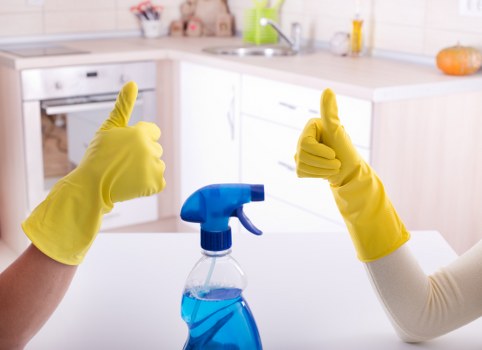
Domestic cleaning refers to the routine and deep cleaning tasks that keep a private home tidy, hygienic, and visually appealing. It includes everyday jobs such as dusting, vacuuming, mopping, wiping surfaces, and cleaning bathrooms and kitchens. It may also involve more detailed tasks like cleaning inside appliances, washing skirting boards, sanitizing high-touch areas, and tackling hidden dirt in hard-to-reach places.
Unlike one-off tidying, domestic cleaning is about maintaining a consistent standard of cleanliness throughout the home. A regular schedule is important because dirt, bacteria, and dust can build up quickly, especially in homes with children, pets, or frequent visitors. When domestic cleaning is done properly, it supports a healthier living environment and prevents minor messes from turning into major problems.
People often think of domestic cleaning as simply “making the house look nice,” but its impact goes much further. Clean spaces can improve mental clarity, reduce the feeling of clutter, and make daily routines easier. A well-kept home also creates a positive impression for guests and can protect furniture, flooring, and appliances from unnecessary wear.
Why Domestic Cleaning Matters for Every Household

There are many reasons why domestic cleaning should be a priority in every household. One of the biggest is hygiene. Bathrooms, kitchens, sinks, and shared surfaces can quickly collect germs if they are not cleaned regularly. Proper domestic cleaning helps limit the spread of bacteria and keeps essential spaces safe for everyday use.
Another major benefit of domestic cleaning is improved indoor air quality. Dust, pet dander, pollen, and other particles can settle on furniture, carpets, and soft furnishings. Over time, these particles may contribute to sneezing, coughing, or other discomforts, especially for people with allergies or asthma. Regular vacuuming, dusting, and ventilation can make a noticeable difference.
Domestic cleaning also supports better organization. When clutter is removed and surfaces are kept clear, it becomes easier to find items, prepare meals, get dressed, and move around the home. This can save time and reduce frustration. A clean home often feels more peaceful, and that emotional benefit is just as valuable as the physical cleanliness itself.
Core Areas of Domestic Cleaning
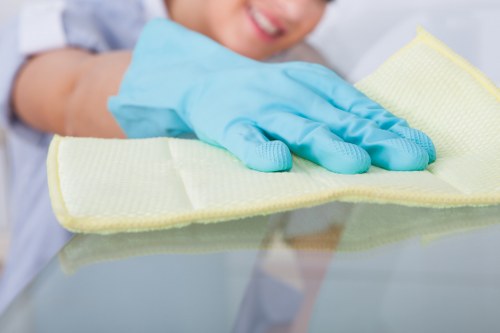
Every home has a few key areas that need consistent attention. These core areas should form the foundation of any domestic cleaning routine. Focusing on them regularly helps keep the entire property in good condition and prevents buildup in the places where dirt tends to accumulate fastest.
Here are the main domestic cleaning zones that matter most:
- Kitchen: Worktops, sinks, appliances, cupboard fronts, floors, and splash zones.
- Bathrooms: Toilets, showers, baths, sinks, mirrors, taps, and tiled surfaces.
- Living areas: Dusting, vacuuming, upholstery care, and general surface cleaning.
- Bedrooms: Bedding, wardrobes, floors, bedside tables, and dust-prone areas.
- Hallways and stairs: High-traffic areas that collect dust and footprints quickly.
Each of these spaces has different needs, which is why a one-size-fits-all approach does not always work. For example, kitchen cleaning often requires grease removal and sanitizing, while bedrooms may need more focus on dust control and fabric care. Understanding these differences allows domestic cleaning to be more effective and efficient.
Daily, Weekly, and Monthly Domestic Cleaning Tasks
A strong domestic cleaning routine works best when tasks are broken into manageable timeframes. This helps prevent the home from becoming overwhelming and ensures nothing important is forgotten. By separating cleaning into daily, weekly, and monthly tasks, you can keep your home in excellent condition without spending every spare hour on chores.
Daily domestic cleaning tasks are usually quick and simple. They may include wiping kitchen counters, washing dishes, sweeping crumbs, making beds, and putting items back where they belong. These habits stop mess from spreading and help maintain a sense of order.
Weekly domestic cleaning tasks are more detailed. These often include vacuuming, mopping floors, dusting surfaces, scrubbing bathrooms, changing bedding, and cleaning mirrors or glass. Weekly attention is especially useful in homes with busy schedules, as it resets the space and removes buildup before it becomes difficult to manage.
Monthly and Seasonal Tasks
Monthly domestic cleaning tasks may involve washing windows, cleaning inside kitchen cabinets, vacuuming behind furniture, and organizing storage spaces. Seasonal cleaning can go deeper, covering wardrobes, upholstery, curtains, skirting boards, and neglected corners. These less frequent jobs are important because they address dirt that routine cleaning may miss.
For best results, many households benefit from a written cleaning checklist. A checklist helps divide tasks into realistic steps and makes domestic cleaning feel more achievable. It also reduces the chance of missing important areas, which can happen easily during a busy week.
Effective Domestic Cleaning Methods for Different Surfaces
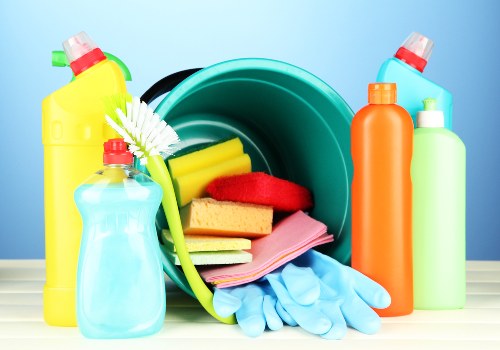
Not all surfaces should be cleaned in the same way. Using the right method protects materials, improves results, and saves time. Domestic cleaning becomes much more effective when you understand how to treat different surfaces properly. The wrong product or tool can damage finishes, leave residue, or reduce the life of furniture and fittings.
Hard Floors
Hard floors such as tile, laminate, vinyl, and wood each require specific care. Sweeping or vacuuming removes loose dirt first, while mopping helps remove stuck-on grime. It is important to use a suitable floor cleaner and avoid excess water, especially on wood or laminate, which can be damaged by moisture.
Carpets and Rugs
Carpets and rugs benefit from regular vacuuming to remove dirt, dust, and pet hair. Spot cleaning spills quickly can prevent stains from setting. Periodic deep cleaning helps refresh fibers and improve the look and feel of the room. In homes where domestic cleaning needs are more demanding, professional carpet cleaning may also be worth considering.
Glass and Mirrors
Glass surfaces should be cleaned with lint-free cloths and suitable glass cleaner to avoid streaks. Mirrors, shower screens, and windows are often overlooked during domestic cleaning, but they make a big visual difference when spotless. Clean reflective surfaces help rooms appear brighter and more open.
Kitchen Surfaces
Kitchen counters, sinks, and appliances need special attention because they come into contact with food and grease. A good domestic cleaning approach includes wiping surfaces after use, removing crumbs, sanitizing sinks, and cleaning hob areas regularly. Stainless steel appliances may need a microfiber cloth and a non-abrasive cleaner to keep them looking polished.
Bathroom Surfaces
Bathrooms require focused cleaning because moisture can encourage mold, mildew, and soap scum. Toilets, basins, taps, shower screens, and tiles should be cleaned with products that remove residue and disinfect effectively. Paying attention to ventilation also helps keep bathrooms fresh and reduces damp-related issues.
Tools and Products That Make Domestic Cleaning Easier
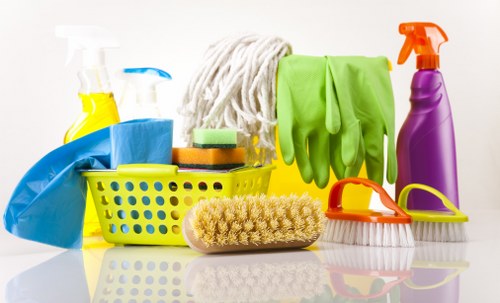
Choosing the right tools can transform domestic cleaning from a tiring task into a much smoother process. A small but well-selected kit often works better than a cupboard full of products. The key is to use reliable essentials that can handle a wide range of household cleaning jobs efficiently.
Useful domestic cleaning tools often include microfiber cloths, a vacuum cleaner, a mop, an extendable duster, scrub brushes, sponges, rubber gloves, and spray bottles. Microfiber cloths are especially valuable because they trap dust effectively and can be used on many surfaces. A vacuum with attachments is also useful for corners, upholstery, and stairs.
Cleaning products should be chosen carefully. Multi-surface cleaners are convenient, while specialist products may be needed for ovens, limescale, glass, or bathrooms. It is always wise to read labels and follow instructions. When possible, many households also prefer low-odor or eco-friendly alternatives that support a cleaner home without leaving harsh chemical smells behind.
Good organization matters too. Keeping tools in one easy-to-reach place makes domestic cleaning quicker and less stressful. A portable caddy or basket can help you move from room to room without repeatedly searching for supplies. This simple approach often saves a surprising amount of time.
Common Domestic Cleaning Mistakes to Avoid
Even with good intentions, many people make mistakes that reduce the effectiveness of domestic cleaning. Avoiding these errors can save time, protect surfaces, and lead to noticeably better results. One common mistake is cleaning too quickly without removing loose dirt first. For example, vacuuming before dusting may mean that dust falls onto freshly cleaned floors later.
Another common problem is using too much cleaning product. More is not always better. Excess product can leave streaks, residue, or sticky surfaces that attract more dirt. In many cases, a small amount of the right product is enough to do the job properly. Following the recommended instructions usually gives the best results.
It is also important not to mix products unless the label clearly says it is safe. Some combinations can create harmful fumes or reduce cleaning effectiveness. Always use products responsibly and ventilate rooms when needed. In domestic cleaning, safety should never be overlooked.
- Do not ignore high-touch areas such as handles, switches, and remote controls.
- Do not forget hidden spaces behind furniture and appliances.
- Do not use the same cloth for every room without washing it.
- Do not skip regular maintenance on appliances and filters.
How Domestic Cleaning Improves Home Comfort and Wellbeing
Clean homes often feel more comfortable, and that comfort has a real effect on daily life. Domestic cleaning can make a room feel lighter, calmer, and more inviting. It is easier to relax in a clean living room, sleep well in a tidy bedroom, and cook with confidence in a fresh kitchen. The emotional benefits are just as meaningful as the practical ones.
There is also a strong link between domestic cleaning and stress reduction. Clutter and mess can make people feel mentally overloaded, especially when they have to navigate them every day. When a home is clean and organized, routines become smoother and the mind often feels less distracted. That can improve focus, productivity, and even overall mood.
Families with children may notice additional benefits. Clean floors, sanitized surfaces, and organized storage can make daily life easier and safer. For households with pets, domestic cleaning helps manage fur, odors, and tracked-in dirt. In short, a clean home supports everyone living there, regardless of age or lifestyle.
Domestic Cleaning for Busy Homes
Busy households need practical cleaning strategies that fit into real life. Not everyone has hours to spare, so domestic cleaning should be realistic and manageable. The best approach is often to build habits into the day rather than trying to handle everything at once. Small actions done regularly can make a big difference.
For example, wiping the kitchen after each meal, doing a quick five-minute evening tidy, or setting aside one room per day for attention can help maintain order. These habits prevent cleaning from becoming a huge weekend task. They also make the home feel more settled, even when schedules are hectic.
Some households prefer dividing cleaning tasks among family members. This can be especially effective when everyone contributes to basic domestic cleaning duties. Children can help with tidying toys, putting laundry away, or wiping surfaces, while adults manage more detailed tasks. Shared responsibility often leads to better consistency and less pressure on one person.
Simple Strategies for Time-Saving Cleaning
- Clean from top to bottom so dust falls onto areas that still need attention.
- Keep cleaning supplies in the rooms where they are used most often.
- Use timers to stay focused and avoid procrastination.
- Work through one task at a time instead of jumping between rooms.
- Do a quick reset every evening to reduce next-day mess.
When Professional Domestic Cleaning Can Help
Some homes need more support than regular household routines can provide. Professional domestic cleaning can be valuable for deep cleans, busy households, post-renovation dust, move-out cleaning, or periods when time and energy are limited. It can also be useful when a property needs a higher standard of cleanliness than a routine tidy can deliver.
Professional help may save time, but it can also bring consistency. Experienced cleaners often know how to handle difficult stains, delicate surfaces, and hard-to-reach areas more efficiently. They may also use specialist equipment and methods that improve results in less time. For homeowners and tenants alike, this can be a practical solution during hectic periods.
That said, domestic cleaning does not have to be professional to be effective. Many households create excellent results with a good system, the right products, and steady habits. The key is choosing the level of support that suits your needs, budget, and schedule. Whether you clean yourself or book extra help, the goal remains the same: a cleaner, healthier home.
Building a Domestic Cleaning Routine That Lasts
The best domestic cleaning routine is one that you can actually maintain. It should match your home size, lifestyle, and available time. A realistic routine is much more valuable than an ambitious one that quickly falls apart. Start with the tasks that matter most, then build from there as the routine becomes familiar.
It can help to assign tasks to specific days. For instance, Monday could focus on dusting, Tuesday on floors, Wednesday on bathrooms, Thursday on laundry, and Friday on kitchen maintenance. You may also prefer a zone-based approach, where each week focuses on different areas of the home. There is no single correct system; the best domestic cleaning routine is the one that reduces stress and keeps the home under control.
Consistency matters more than perfection. A home does not need to look showroom-ready every day, but regular care prevents problems and makes life more comfortable. If you need to improve your cleaning habits, start small and stay consistent. Book your service now if you want extra support, or contact us today to take the next step toward easier home upkeep.
Ultimately, domestic cleaning is about more than appearance. It supports wellbeing, preserves the home, and creates a better environment for daily living. With a solid routine, the right tools, and smart habits, keeping your home clean becomes far more manageable and rewarding. Whether you are dealing with everyday upkeep or deeper cleaning needs, domestic cleaning remains one of the most valuable investments you can make in your home.